From the blog
5 Things to Do Immediately After a Car Accident
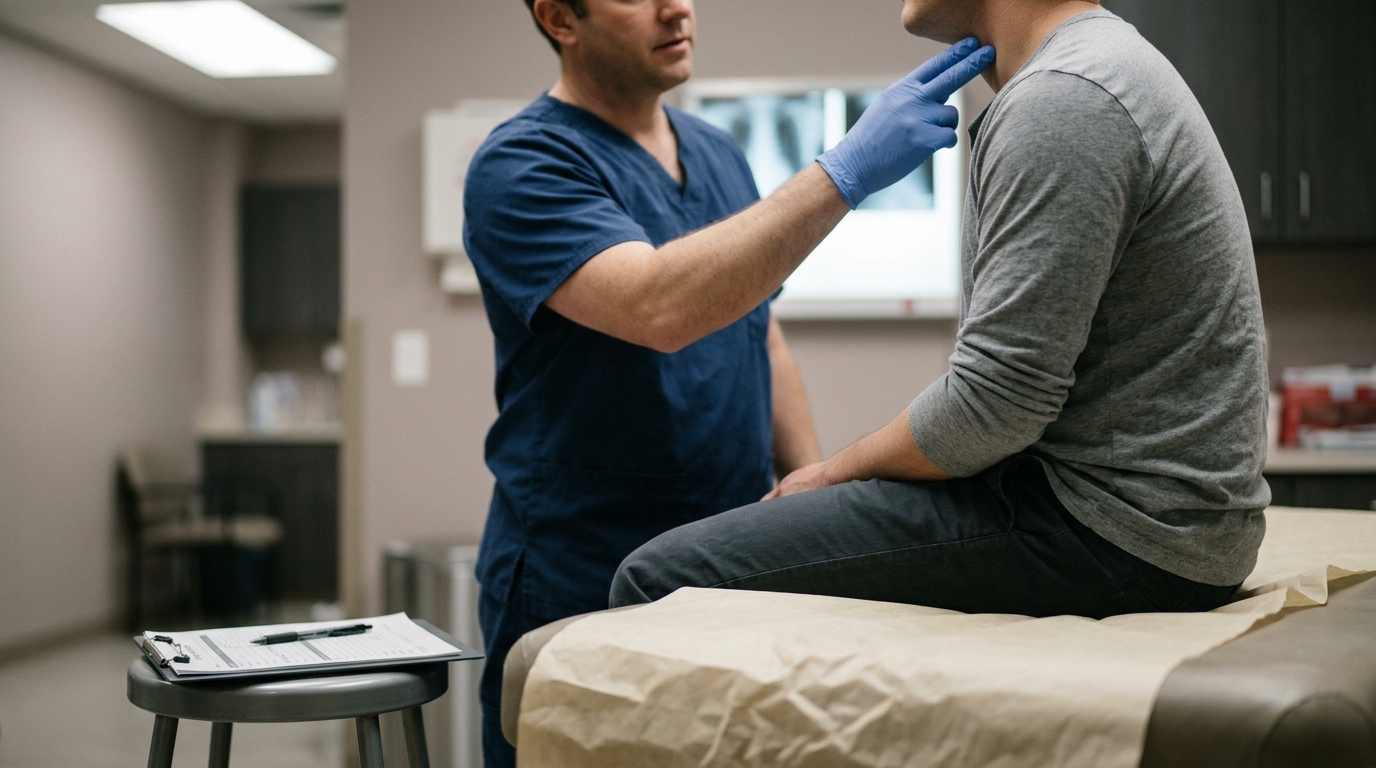
After a car accident, do these five things in order: ensure safety and call 911, document the scene, exchange information with all parties, notify your insurance company, and seek medical evaluation - even if you feel fine. The actions you take in the first 60 minutes directly determine the strength of any future insurance claim or legal case.
Car accidents are disorienting. Your adrenaline spikes, your hands shake, and your brain struggles to process what just happened. That reaction is completely normal - but it also makes it easy to skip critical steps that protect your health, your finances, and your legal rights. Here is exactly what to do, in order.
1. Move to Safety and Call 911
Your first priority is physical safety - yours and everyone else's. If the vehicles are drivable and the accident is minor, move them to the shoulder or a nearby parking lot to clear the roadway. Turn on hazard lights immediately. If the vehicles cannot move, stay inside with your seatbelt on until emergency services arrive, especially on a high-speed roadway.
Call 911 regardless of how minor the crash appears. Many states require you to report any accident involving injury or property damage above a certain threshold - in most states, that threshold is as low as $500 to $1,000 in damage. A police report creates an official, timestamped record that insurance companies and courts treat as authoritative. Without one, fault disputes become your word against theirs.
When speaking to the dispatcher, state your location clearly, describe the number of vehicles involved, and report any visible injuries. Do not move anyone who is unconscious or complaining of neck and back pain - spinal injuries can be worsened by improper movement.
2. Document Everything at the Scene
Your smartphone is the most powerful tool you have in the minutes after a crash. Use it aggressively. Documentation gathered at the scene is almost impossible to replicate later.
Photograph and video the following:
- All four sides of every vehicle involved, including close-ups of damage
- License plates of every vehicle
- The overall position of the vehicles before they are moved
- Skid marks, debris, and road conditions
- Traffic signs, signals, and lane markings near the scene
- Any visible injuries on yourself or others
- The weather and lighting conditions
Take a video walkthrough of the entire scene - narrate it out loud with the timestamp visible. Courts and insurance adjusters consistently find video evidence more persuasive than still photos alone.
If there are witnesses, ask them directly if they saw the accident and would be willing to provide a statement. Get their full name and phone number. Witnesses tend to leave quickly once they see police arriving, so approach them before that window closes.
3. Exchange Information - the Right Information
Most drivers know to exchange contact and insurance information. Fewer know exactly what to collect, and leaving gaps here creates problems weeks later when you're trying to file a claim.
Collect from Every Driver Collect from Every Vehicle Full legal name Make, model, year, color Phone number License plate number and state Driver's license number and state VIN (visible on the dashboard) Insurance company name Registered owner's name (if different from driver) Policy number Any visible damage pre-existing before the crashTake a photograph of every driver's license and insurance card rather than hand-writing the information. Transcription errors are common under stress, and a photo is unambiguous.
Do not discuss fault at the scene. Do not say "I'm sorry" - even as a reflexive social courtesy. Admissions of fault made at the scene can be used against you in insurance negotiations and litigation. Stick to factual statements: describe what you observed, not who you think caused it.
4. Notify Your Insurance Company Promptly
Call your insurance company the same day as the accident - not the next morning, not after the weekend. Most insurance policies contain a "prompt notification" clause. Delaying your report can give the insurer grounds to complicate or reduce your claim.
When you call, provide a factual account: the time, location, vehicles involved, and the police report number if you have it. Do not speculate about fault or estimate damage costs. Your job in this first call is to open a claim and provide verified facts, not to negotiate a settlement.
Key questions to ask your insurer on the first call:
- What is my claim number, and who is my assigned adjuster?
- Am I covered for a rental vehicle while mine is being repaired?
- Does my policy include uninsured/underinsured motorist coverage?
- What is my deductible for collision versus comprehensive coverage?
- What documentation do you need from me to process this claim?
If the other driver's insurer contacts you before you have spoken with your own, you are not obligated to give a recorded statement immediately. You have the right to consult with your insurer - and if injuries are involved, an attorney - before making any formal statements to a third-party insurance company.
5. Seek Medical Evaluation - Even If You Feel Fine
This is the step most people skip, and it's the one they most often regret. Whiplash, soft tissue injuries, concussions, and internal bleeding frequently present no immediate symptoms. Adrenaline masks pain effectively. Symptoms from a car accident can emerge 24 to 72 hours after impact, sometimes longer.
Go to an emergency room, urgent care clinic, or your primary care physician the same day. Tell them you were in a motor vehicle accident and describe every physical sensation, no matter how minor - headache, neck stiffness, slight dizziness, lower back tightness. A physician creates a medical record that links your injuries directly to the accident date. That record is critical if you later need to file a personal injury claim.
If you delay medical care by several days, insurance adjusters and defense attorneys will argue that your injuries were caused by something that happened after the accident. That argument is hard to defeat without a same-day medical record.
Follow through on every follow-up appointment your doctor recommends. Gaps in treatment are interpreted as evidence that your injuries were not serious - regardless of how you actually felt.
Quick Reference: The 5 Immediate Steps
- Safety first: Move to a safe location, turn on hazards, call 911
- Document the scene: Photos, video, witness contact information
- Exchange information: Driver, vehicle, and insurance details from every party
- Notify your insurer: Same-day call, factual account, open a claim
- Get medical evaluation: Same day, document every symptom
Should I call the police for a minor fender-bender?
Yes. Even in low-speed, low-damage accidents, a police report establishes an official record of what happened. Without one, the other driver can later change their account of events, and you have no independent documentation to counter them. Many states also legally require reporting any accident that results in injury or damage exceeding a specific dollar amount.
What should I never say at the scene of an accident?
Never admit fault or say "I'm sorry," even casually. Avoid estimating speed, guessing distances, or speculating about what caused the crash. Do not agree to "handle it privately" without involving insurance - this exposes you to significant financial risk if the other party later claims injuries or greater damage than initially described.
How long do I have to file an insurance claim after a car accident?
Insurance policies vary, but most require "prompt" notification - practically, same-day or next-day reporting is safest. Separate from the insurance timeline, state laws set a statute of limitations for personal injury lawsuits, which typically ranges from one to three years depending on the state. Missing these deadlines eliminates your right to recover damages.
What if the other driver doesn't have insurance?
Report the accident to your insurer immediately and ask specifically about your uninsured motorist (UM) coverage. Most standard auto policies include UM/UIM (uninsured/underinsured motorist) protection, which covers your medical expenses and property damage when the at-fault driver has no insurance or insufficient coverage. Do not accept a cash offer from an uninsured driver at the scene.
When should I hire a personal injury attorney after a car accident?
Consult an attorney any time there are injuries, significant vehicle damage, disputed fault, or when the other driver's insurer contacts you directly for a recorded statement. Most personal injury attorneys offer free initial consultations and work on contingency, meaning they collect a fee only if you recover compensation. Early legal consultation costs nothing and protects your rights before you inadvertently say something that weakens your claim.


